Computational and Data Science Ph.D. student, Haoyuan Wang, presents Predictive and Representational Learning for fMRI-Based Brain Disorder Analysis.
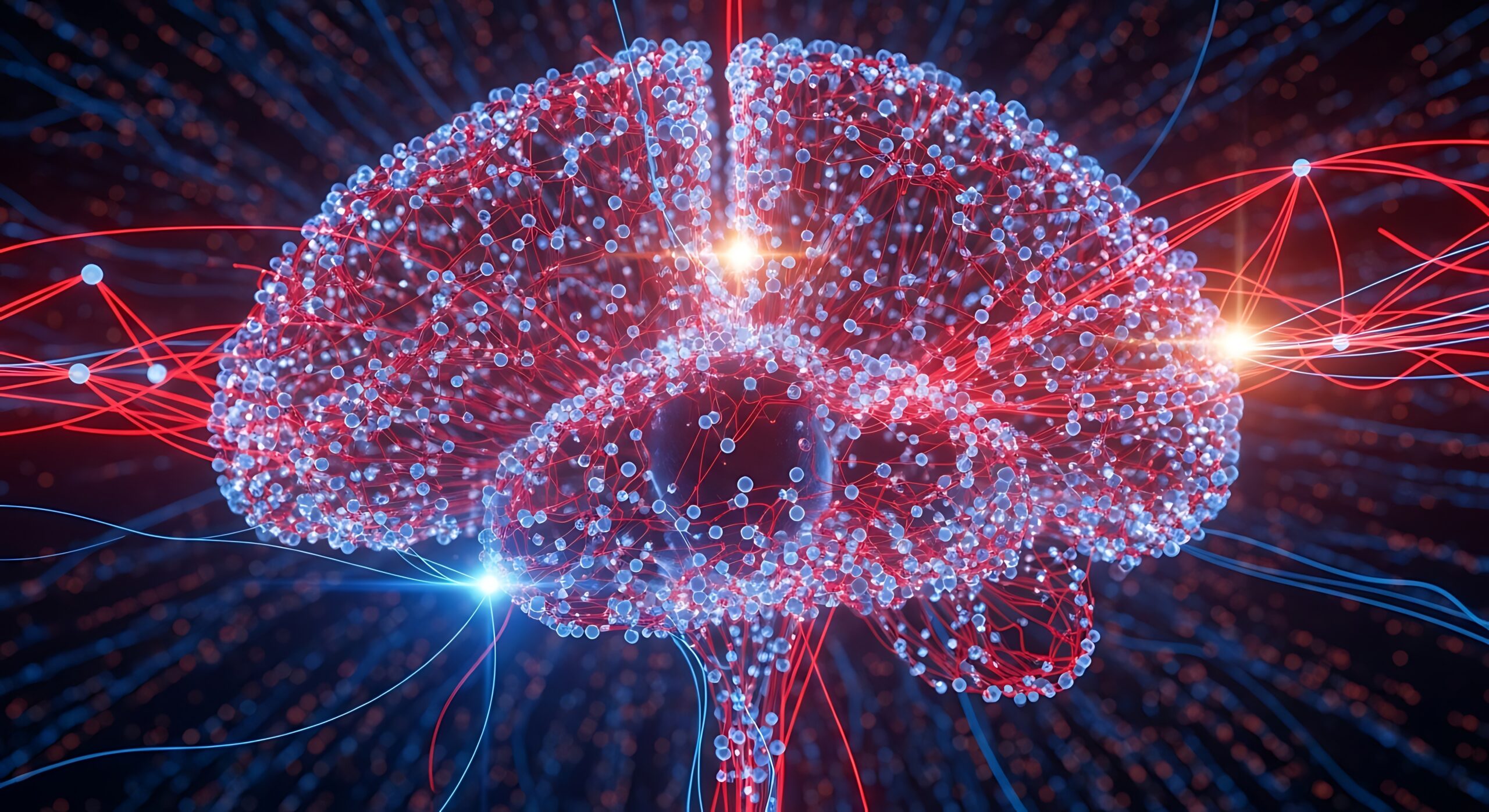
Neural network–based predictive and representation learning approaches are developed to improve model reliability and representational capacity for complex fMRI data. The capability of neural networks to capture high-dimensional, nonlinear structures is first examined, and a custom loss function is introduced to enhance prediction reliability through improved uncertainty quantification and robustness. Building on this foundation, a deep learning framework for autism spectrum disorder (ASD) classification is proposed, leveraging fused feature representations derived from functional connectivity to more effectively characterize brain network patterns. The framework is further extended to the more challenging task of attention-deficit/hyperactivity disorder (ADHD) classification, which involves greater heterogeneity and complexity in neural signals. To address these challenges, a hybrid modeling approach integrating quantum computing with graph neural networks is introduced, providing enhanced expressive power for modeling complex brain connectivity.
Watch the webinar here,